

Muzzle for Yorkies: If you have ever felt guilty about the idea of putting a muzzle on your Yorkie, you are not alone. Most owners associate muzzles with aggression or punishment, and the last thing you want is for your dog to feel like he is being disciplined. But here is the truth: a muzzle is a management tool, not a punishment. Used correctly, it keeps your Yorkie safe, keeps other people safe, and takes the pressure off situations that are genuinely hard for a small, anxious dog to handle.
This guide covers when a Yorkie actually needs a muzzle, which type to choose, and how to introduce it so your dog accepts it calmly rather than fighting it every time.
Table of Contents
Does Your Yorkie Actually Need a Muzzle?
Yorkies are confident, feisty little dogs, but their small size makes the world feel threatening in ways it simply does not for larger breeds. A child running toward them, a stranger reaching down without warning, a vet appointment with unfamiliar smells and handling: these are all situations that can trigger snapping or biting even in a well-loved, well-socialized Yorkie.
A muzzle is worth considering if your Yorkie snaps or bites during grooming or vet visits, shows anxiety or aggression around strangers or children, has ever bitten someone or come close to it, or is recovering from an injury and needs to be handled when he is in pain.
If your Yorkie is showing anxiety more broadly, it is worth reading our full guide on Yorkie anxiety symptoms to understand what is driving the behavior before reaching for a muzzle as your only solution. A muzzle manages the symptom. Addressing the anxiety addresses the cause.
What Are The Benefits Of Muzzle For Yorkies?
It Protects People Around Your Dog
A Yorkie bite may not send someone to the hospital, but it can break skin, frighten children, and in some areas create legal liability for you as the owner. If your Yorkie is unpredictable around strangers, a muzzle removes the risk entirely while you work on training and socialization.
It Makes Vet Visits and Medical Care Safer
An injured or frightened dog will bite even the person he loves most. When a Yorkie is in pain, he cannot reason through it. A muzzle allows a vet to examine and treat him safely, and allows you to apply first aid at home without the risk of being bitten in the process. Most vets appreciate owners who come prepared.
It Makes Grooming Easier for Everyone
Yorkshire Terriers need regular grooming, and not every Yorkie is patient about it. If your dog snaps at the brush or the clippers, a muzzle protects you and your groomer and lets the session get done without turning into a stressful battle. For a full grooming walkthrough, see our <a href=”https://ouryorkie.com/free-yorkie-grooming-guide/”>Yorkie grooming guide</a>.
It Stops Your Yorkie From Eating Things He Should Not
This one surprises people. A muzzle on walks prevents your Yorkie from grabbing garbage, dead animals, or anything toxic off the ground. Yorkies are curious and fast, and the street is full of things that can cause an obstruction, poisoning, or parasitic infection. If your dog is a chronic scavenger, a basket muzzle on walks is a simple preventive measure.
It Signals to Strangers to Give Your Dog Space
When people see a small fluffy dog, the instinct is to rush over and pet it. A muzzle sends a clear, universally understood signal: give this dog space. That alone can prevent dozens of anxiety-triggering interactions on a single walk, which is genuinely good for your Yorkie’s stress levels over time.
What to Look for in a Muzzle for a Yorkie
Yorkies have a relatively narrow, elongated snout compared to flat-faced breeds, which means most standard small dog muzzles fit them reasonably well. That said, fit is everything. A muzzle that is too tight causes discomfort and distress. One that is too loose is useless.
Look for these features specifically for a Yorkie:
Adjustable straps. Your Yorkie’s snout is narrow. Adjustability lets you get a snug but comfortable fit without pressing into the nose or jaw.
Breathability. A dog wearing a muzzle still needs to pant to regulate temperature. Basket muzzles offer the most airflow. Nylon soft muzzles restrict panting and should only be used for short periods.
Lightweight material. A heavy muzzle on a small dog creates neck strain and resistance. Look for lightweight plastic, rubber, or nylon options.
Easy to put on and take off. Quick-release clasps make a real difference, especially during vet visits when time matters.
The Three Muzzle Types That Work for Yorkies
Basket Muzzle: Best for Walks, Outings, and Longer Wear
A basket muzzle surrounds the snout with a cage-like structure that allows your Yorkie to pant freely, drink water, and even take treats through the bars. It is the most humane option for any situation requiring the muzzle to stay on for more than a few minutes.
BARKLESS basket muzzle
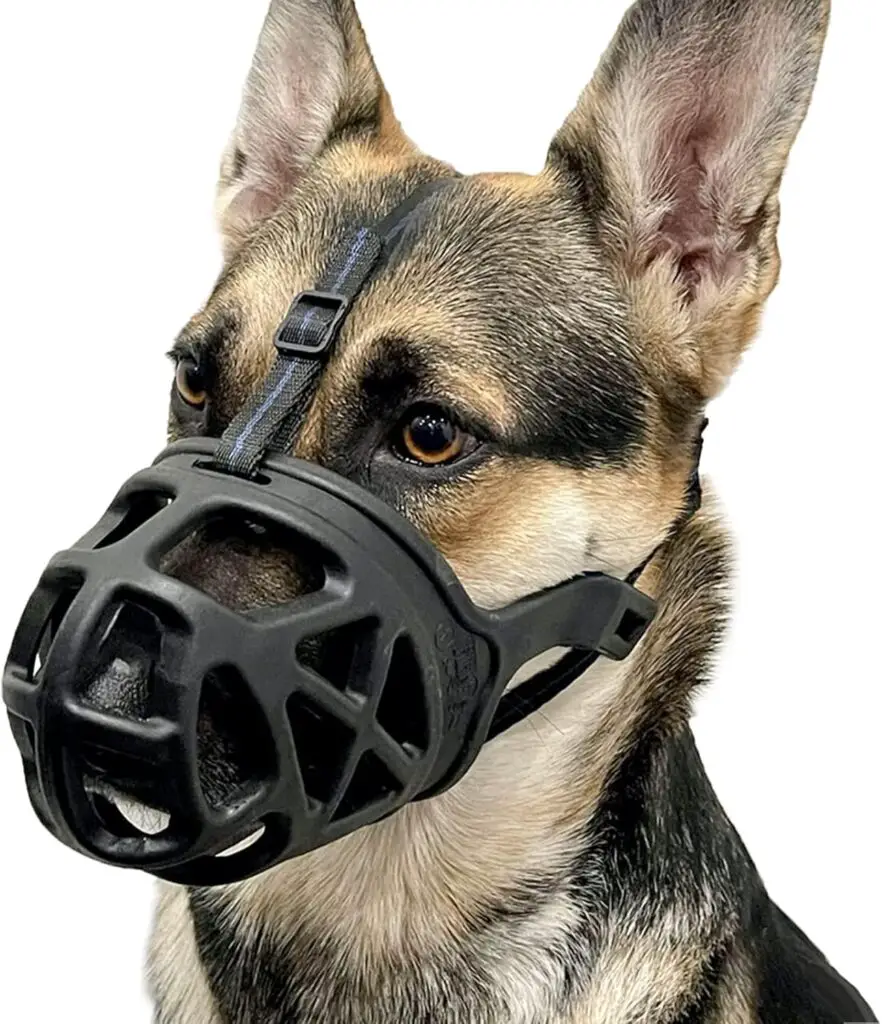
The BARKLESS basket muzzle is an Amazon’s Choice product with over 4,800 reviews and a 4.0 rating, which tells you it holds up in real-world use. It is made from lightweight, flexible material that sits comfortably around the snout without rigid pressure points. The open basket design gives your Yorkie full airflow for panting, which matters on warmer days or during an active walk. It comes in size S, which fits most adult Yorkies well, and has an adjustable strap to dial in the fit around the neck. At $17.99 it is also one of the more affordable basket muzzles on the market, making it a low-risk first purchase if your Yorkie has never worn one before.
Best for: walks, public outings, grooming sessions, any situation where the muzzle stays on for more than a few minutes.
Slip Muzzle: Best for Short Emergency Situations Only
A slip muzzle is a fabric or nylon tube that loops around the snout to hold the mouth closed. It does not allow panting, so it should only be used for very short periods. Think: a vet applying a bandage, or restraining your dog for two minutes while you assess an injury. It is not suitable for grooming sessions or walks.
Four Paws Muzzle
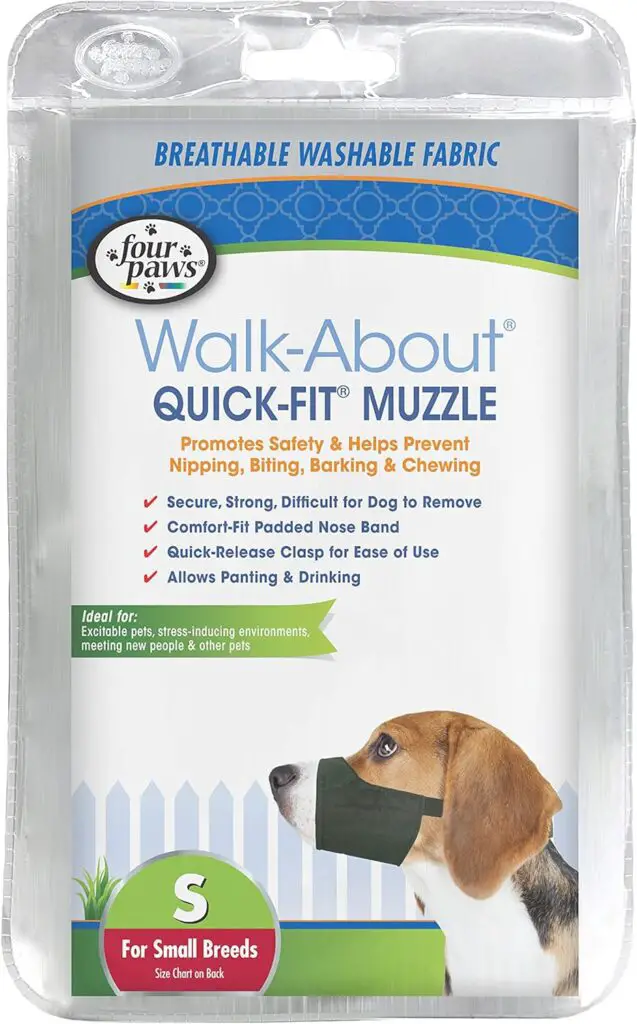
The Four Paws is made from soft, breathable nylon with a quick-release clasp for fast application and removal. It is machine washable and adjustable. The breathable fabric makes it slightly more comfortable than stiffer slip muzzles, but the restriction on panting still limits how long it should be worn.
Best for: emergency medical situations, very brief restraint only.Soft Muzzle: Best for Training and Introduction Only
A soft muzzle is the gentlest option and the best starting point if your Yorkie has never worn a muzzle before. It does not offer strong bite protection, but it is comfortable enough that most dogs accept it without too much resistance, making it ideal for getting your dog used to the sensation before graduating to a basket muzzle for real-world use.
Mayerzon Dog Muzzle
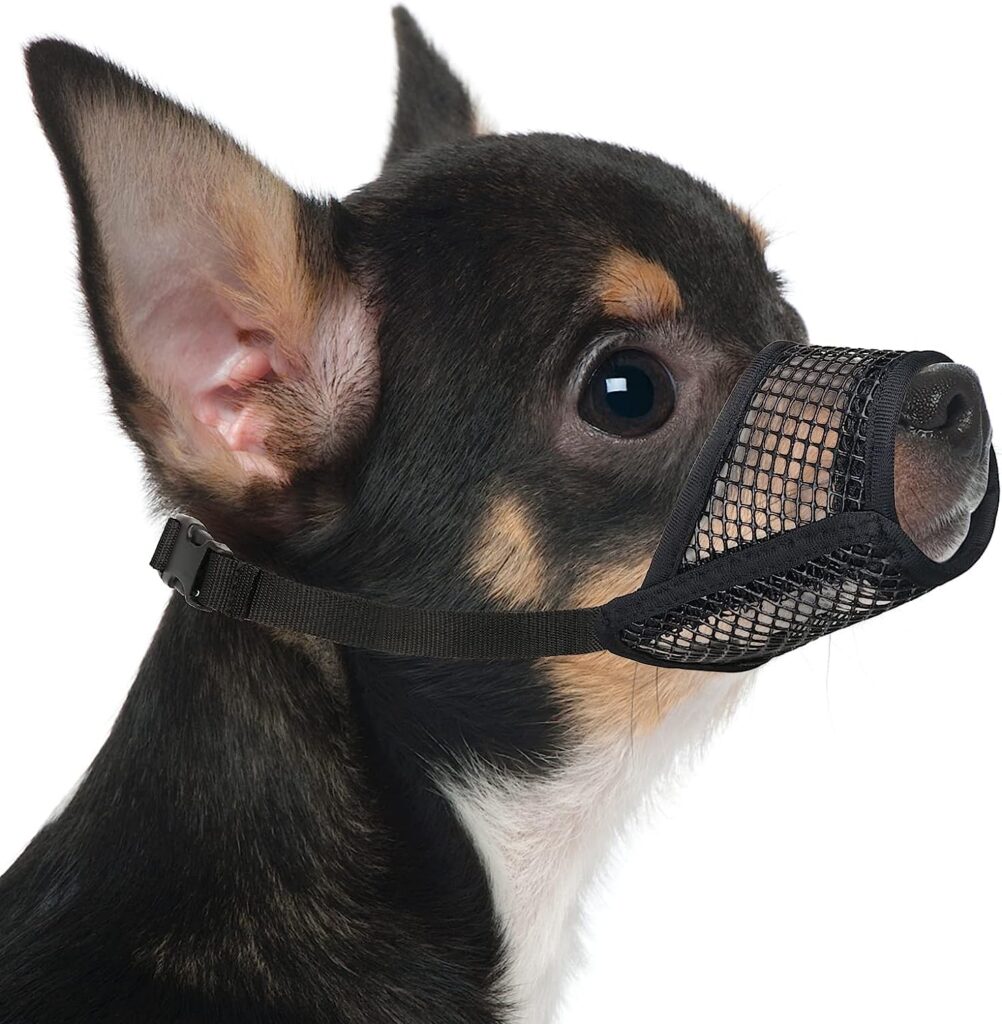
Ultra-breathable Mesh Muzzle: Made of premium mesh, this mesh dog muzzle is soft but still resistant and long-lasting. The newly upgraded ultra-breathable mesh design allows your dogs to breathe freely and feel more comfortable while wearing it. Extra soft padding can protect the front of your dog’s nose from rubbing and is more skin-friendly
Best for: introducing muzzles to a first-time wearer, short positive training sessions.
How to Introduce a Muzzle Without Traumatizing Your Dog
Forcing a muzzle onto a dog who has never worn one will make him terrified of it. Take the time to do this right and every future session becomes easier.
Step 1: Let him investigate it. Leave the muzzle on the floor near his food bowl for a few days. Let him sniff it, paw it, and decide it is not a threat.
Step 2: Associate it with treats. Hold the muzzle open and let him stick his nose in voluntarily to get a treat. Do not fasten it yet. Repeat until he is pushing his nose in eagerly.
Step 3: Fasten it briefly. Clip the muzzle on, give a treat immediately, and remove it after five seconds. Gradually extend the time over several sessions.
Step 4: Practice in calm situations. Once he tolerates it at home, practice on a short walk or during a calm activity before using it for grooming or vet visits.
The whole process might take a week or two. That investment pays off every single time you need the muzzle for the rest of your dog’s life.
Q&A
Is it cruel to muzzle a Yorkie?
No, when used correctly. A muzzle is cruel if it is used as punishment, left on for too long, or chosen without regard for breathability. A properly fitted basket muzzle that allows panting and treats is not uncomfortable, and it prevents situations that are far more stressful for your dog, like a panicked vet encounter or an altercation with a stranger.
Can my Yorkie wear a muzzle all day?
No. Muzzles are for specific situations only, not for all-day wear. Even a basket muzzle should not be on for more than a few hours at a time. Your dog needs to be able to pant freely, drink, and rest his face muscles without restriction.
My Yorkie snaps when I brush him. Is a muzzle the right solution?
It is a short-term management tool while you work on the underlying issue. A muzzle lets you get through the grooming session safely, but pairing it with positive reinforcement during grooming, short sessions, and proper desensitization to the brush and clippers will reduce the snapping over time. See our grooming guide for a step-by-step approach.
What size muzzle does a Yorkie need?
Most adult Yorkies fit an XS or size 1 in most muzzle brands. Always measure your dog’s snout length and circumference before buying, and check the brand’s sizing chart. A muzzle that gapes or slides around is as useless as one that is too tight.
Final Thoughts
A muzzle is not a reflection of a bad dog or a bad owner. It is a practical tool for specific situations, and every Yorkie owner should have one on hand even if they rarely need it. The key is choosing the right type for the situation, getting the fit right, and taking the time to introduce it properly so your dog does not dread it.
If your Yorkie’s snapping or anxiety goes beyond what a muzzle can manage, read more about Yorkie anxiety symptoms and causes to understand what is really going on and what your options are.