
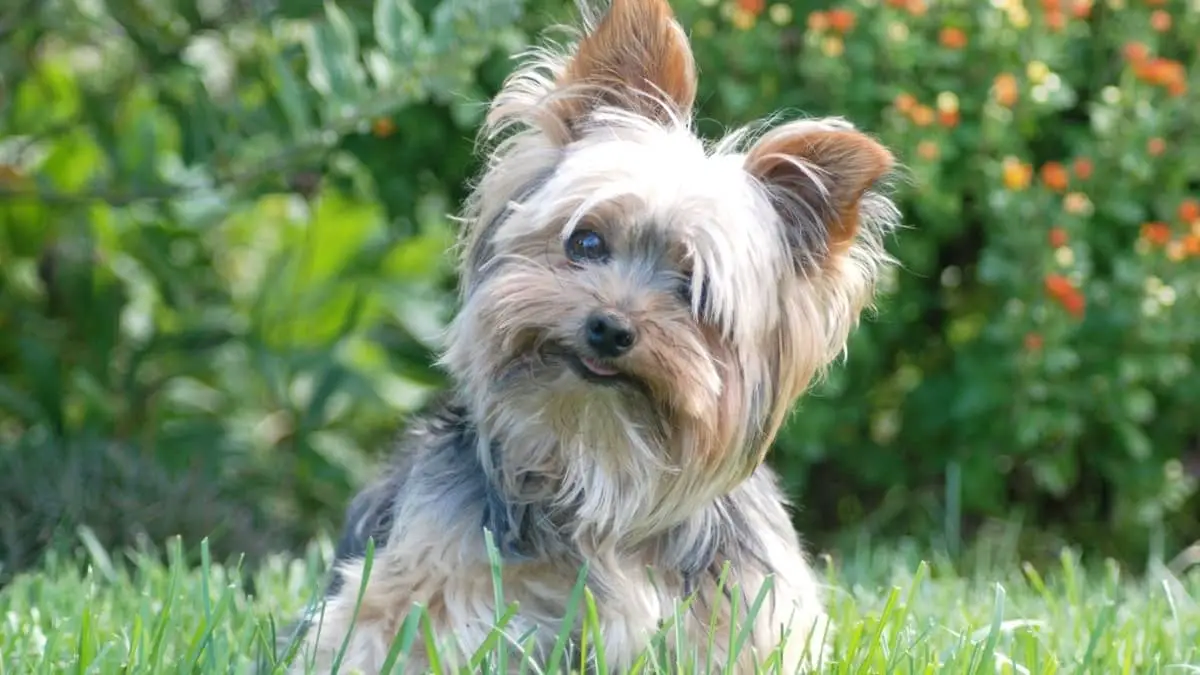
The silver haired Yorkie is one of the most visually striking color variations in the breed. That luminous platinum coat does not come from a special bloodline or rare breeding practice. It develops gradually, driven entirely by genetics, and the transformation can take years to complete.
If you have a Yorkie showing signs of silver or want to understand whether a puppy will develop this color, this guide covers everything you need to know.
Table of Contents
How the Silver Coat Develops
Silver Yorkies are not born silver. They are born black and tan, like most purebred Yorkies, and their coat lightens progressively as they mature.
The key driver is the graying gene combined with the blue dilution gene. As the black eumelanin in the coat breaks down over time, it transitions first to steel blue, then to a lighter silver or platinum tone. This process can begin as early as 8 to 10 weeks and continues actively through the first two to three years of life.
Not every Yorkie with the blue gene will develop a true silver coat. The extent of the dilution depends on which combination of dilution genes the dog carries. Read our complete guide to Yorkie coat color genetics to understand how these gene combinations work.
The tan areas of the coat, typically the face, chest, and legs, do not turn silver. They remain warm and golden while the back and body lighten. This contrast between the platinum body and the gold face is the signature look of a true silver haired Yorkie.
How to Identify a Silver Haired Yorkie
The clearest way to identify a silver Yorkie is by watching how the coat splits as the dog matures. The tan on the face and neck stays warm, while the body coat lightens progressively from the roots outward.
A true silver or platinum Yorkie will have a coat that reflects light with a cool, metallic sheen rather than the warmer gray tone of a simply aging dog. The nose and eye rims remain dark, which distinguishes a silver purebred from a dog with dilution-related health concerns.
Silver vs. Gray: Is There a Difference?
In practice, silver and gray are used interchangeably by most Yorkie owners and breeders. Some prefer the term platinum for dogs with a particularly light, high-contrast coat. There is no official breed distinction between the terms. What matters is the underlying genetics, not the label.
What Affects Silver Coat Development
Several factors influence how dramatically and how quickly the silver color develops.
Genetics is the primary factor. A Yorkie needs the right combination of dilution genes to develop a true silver coat. If only one dilution variant is present, the lightening may be subtle. If multiple variants are active, the coat can become strikingly pale.
Nutrition plays a supporting role. A diet deficient in copper or the amino acids tyrosine and phenylalanine can interfere with normal melanin production, producing an uneven or duller coat than the dog’s genetics would otherwise allow. High quality protein sources support proper coat development.
Sun exposure accelerates lightening. Dogs that spend significant time outdoors may develop a more pronounced silver or platinum tone faster than dogs kept primarily indoors. This is not harmful but is worth knowing if you are tracking your Yorkie’s color development.
Health conditions can also affect coat color. Vitiligo causes progressive pigment loss and typically appears first as a white spot on the nose. This is distinct from normal silver development and worth discussing with your vet if you notice irregular depigmentation.
The Silver Yorkie Color Timeline
At 8 to 10 weeks, the puppy’s base color begins to emerge from the near-black coat present at birth.
Between 3 and 6 months, the back coat may begin softening from black toward a dark charcoal. This is the first hint of silver development if the dilution genes are active.
From 6 to 18 months is the most active period. The body coat lightens noticeably while the tan areas deepen. The contrast between the two zones becomes more defined.
By 2 to 3 years, most silver Yorkies have reached their full settled color. Some continue to lighten slightly through their fourth or fifth year.
See our full breakdown of Yorkie color changes by age stage.
Silver Yorkies and Breed Purity
A silver coat in a Yorkie is consistent with purebred status, provided the dog is showing the correct pattern: warm tan on the face and legs, silver or steel blue on the body, dark nose and eye rims.
A dog that is silver all over with no tan markings, or that shows an unusual coat texture, may be a cross. Purebred Yorkies always carry the bicolor pattern regardless of how dramatically their base color lightens.
If you are purchasing a silver Yorkie puppy and paying a premium for the color, ask the breeder for AKC registration papers for both parents and ideally genetic testing documentation. It is also worth considering pet insurance before bringing any Yorkie home, particularly if you are investing in a higher priced dog.
Silver Yorkie Price: What to Expect
Silver and platinum Yorkies are typically priced higher than standard blue and gold dogs. Expect to pay anywhere from $1,000 to $3,000 or more depending on the breeder, lineage, and how pronounced the silver coloring is in the puppy’s parents.
Be cautious of breeders using the silver or platinum label to justify significantly inflated prices without documentation. The color itself does not indicate superior health or temperament, and a higher price should always be backed by verifiable breeding records.
If you want to confirm your Yorkie’s genetic makeup and understand exactly which color genes they carry, a DNA test through Embark is the most reliable option available.
Frequently Asked Questions
Are silver Yorkies purebred?
Yes, a silver or platinum coat is consistent with purebred Yorkshire Terrier genetics, provided the dog shows the correct bicolor pattern with warm tan on the face and legs.
Do silver Yorkies stay silver?
Once a Yorkie reaches its full adult color, the silver tone is stable. Some very light dogs may continue to lighten slightly with age, and sun exposure can intensify the platinum effect over time.
Is a gray Yorkie the same as a silver Yorkie?
The terms are used interchangeably. Some owners prefer platinum for dogs with a particularly light and high-contrast coat, but there is no official breed distinction.
Can you predict if a Yorkie puppy will turn silver?
The best indicator is the parents. If both parents carry the blue dilution gene and show silver or steel blue in their coats, there is a strong chance the puppy will develop a similar color. A DNA test can confirm which dilution genes are present.