
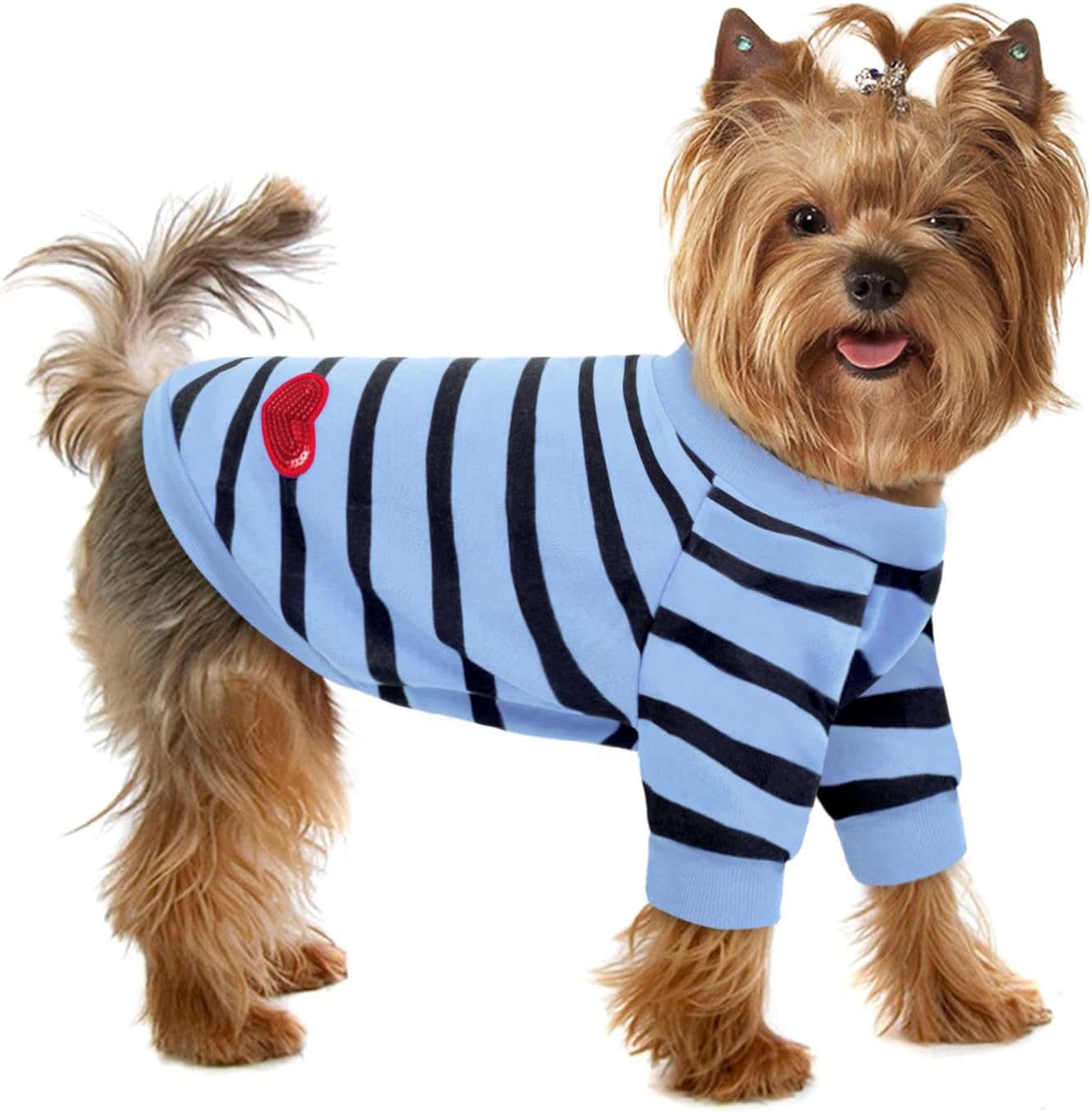
If you have been asking yourself whether Yorkies are hypoallergenic, you are not alone…If you are researching Yorkies because someone in your home has allergies, you have probably come across the word “hypoallergenic” more times than you can count. And you have probably seen Yorkies listed as a hypoallergenic breed on more than a few websites.
The honest answer is a little more nuanced than a simple yes or no. Here is what the science actually says, and what it means for you if you are an allergy sufferer considering a Yorkie.
Table of Contents
What Does Hypoallergenic Actually Mean?
First, a quick clarification that most articles skip over.
According to American Kennel Club, no dog is 100% hypoallergenic. That is not a marketing claim or a caveat. It is a biological fact. All dogs produce allergens, the proteins that trigger allergic reactions in sensitive people. These proteins are found in dog dander (dead skin cells), saliva, and urine, not just in the fur itself.
What “hypoallergenic” really means, when used correctly, is that a breed produces fewer allergens or sheds less, making them less likely to trigger a reaction. It does not mean reaction-free. It means lower risk.
With that understood, where do Yorkies fall?
Why Yorkies Are Considered Hypoallergenic
Yorkies have a few characteristics that put them on the lower end of the allergy risk scale.
They have hair, not fur. This is the big one. Most dogs have a double coat with a dense undercoat that sheds heavily. Yorkies have a single-layer coat made of fine hair that is much more similar to human hair in texture and growth pattern. This means they shed significantly less than most breeds.
Less shedding means less dander in your environment. Dander clings to loose fur. When a heavy-shedding dog shakes or rolls around, dander spreads across furniture, floors, and the air. Because Yorkies shed minimally, there is simply less dander being distributed around your home.
They are small. This sounds obvious but it matters. A smaller dog produces less dander overall, less saliva, less of everything that triggers allergic reactions. A Yorkie is not going to shake their head and send a cloud of allergens across the room the way a Golden Retriever might.
The Part Most Articles Do Not Tell You
Here is where we get honest.
Even though Yorkies shed less, they are not zero-shedding dogs. They still produce dander. Their saliva still contains the Canis familiaris allergen 1 protein, which is the primary allergen responsible for dog allergies in most people. If your allergy is severe, a Yorkie may still trigger a reaction.
There is also a grooming factor to consider. Yorkies have long, fast-growing hair that requires regular brushing, trimming, and bathing. During grooming, dander and allergens become airborne. If you are the one doing the grooming and you are allergic, that is worth keeping in mind.
How to Know if a Yorkie Will Work for Your Allergies
The only reliable way to find out is to spend time with one before committing to bringing one home.
A few practical suggestions:
- Visit a friend who has a Yorkie and spend an hour or two in their home, not just a quick hello at the door.
- Ask a breeder if you can visit and spend time with the dogs in an enclosed space.
- Talk to your allergist. They can run tests to identify exactly which allergens you react to, which tells you a lot about how you might respond to a specific breed.
Reactions also vary from dog to dog. Two Yorkies from different litters can produce different amounts of the Fel d 1 protein. Some allergy sufferers find they react to one dog but not another of the same breed.
Tips for Managing Allergies if You Have a Yorkie
If you already have a Yorkie and are managing allergy symptoms, or if you are committed to getting one despite mild allergies, here is what actually helps:
Groom regularly. Bathing your Yorkie every two to three weeks significantly reduces the amount of dander on their coat. Use a gentle, dog-safe shampoo.
Brush outside. If you brush your Yorkie indoors, dander becomes airborne and settles on surfaces. Take grooming outside when possible.
Invest in a good air purifier. A HEPA filter air purifier in the rooms your Yorkie spends the most time in makes a measurable difference.
Wash bedding frequently. Your Yorkie’s bed and any blankets they use should be washed weekly in hot water.
Keep the bedroom a dog-free zone. Hard advice for Yorkie owners, I know. But if your symptoms are significant, keeping your sleeping space allergen-free gives your immune system eight hours of recovery every night.
Wash your hands after contact. Before touching your face or eyes, wash your hands after petting or playing with your dog.
So, Are Yorkies Hypoallergenic?
They are as close as you can get in the dog world without going completely hairless.
For mild to moderate allergy sufferers, Yorkies are genuinely one of the better breed choices. Their low-shedding single coat, small size, and minimal dander production make them far less likely to cause reactions than most breeds.
For people with severe dog allergies, no breed is truly safe, and a Yorkie is not an exception to that rule.
If allergies are a concern in your home, spend time with a Yorkie before deciding. Most allergy sufferers who fall in love with the breed find that with good grooming habits and a clean home environment, living with a Yorkie is very manageable.
Frequently Asked Questions
Do Yorkies shed a lot?
No. Yorkies are considered a low-shedding breed. They have a single-layer coat of fine hair rather than a double fur coat, which means they shed far less than most dogs. You will notice very little Yorkie hair on your furniture or clothes compared to other breeds.
Are Yorkies good for people with asthma?
If you are wondering whether Yorkies are hypoallergenic enough for asthma sufferers, possibly, but with caution. Because Yorkies shed less and produce less dander than many breeds, they are often better tolerated by people with asthma. However, any dog allergen can trigger asthma symptoms in sensitive individuals. Consult your doctor before getting any dog if you have asthma.
What is the most hypoallergenic dog breed?
No breed is fully hypoallergenic, but breeds frequently recommended for allergy sufferers include Poodles, Bichon Frises, Maltese, Portuguese Water Dogs, and Yorkies. All of these are low-shedding breeds with single-layer coats.
Can I be allergic to a Yorkie even if I am not allergic to other dogs?
Yes, it is possible, though less common. Dog allergies are triggered by specific proteins, and the levels of those proteins vary between individual dogs. It is rare but possible to react to one dog and not another, even of the same breed.
Do Yorkies cause less allergies than other dogs?
Generally yes, when compared to heavy-shedding breeds. The combination of minimal shedding, a single-layer coat, and small size means Yorkies distribute fewer allergens in the home environment than most other breeds.
Is Yorkie saliva an allergen?
Yes. Dog saliva contains allergenic proteins that can cause reactions in sensitive people. Yorkies are enthusiastic lickers, so if saliva is a trigger for your allergies, that is worth knowing before bringing one home.